
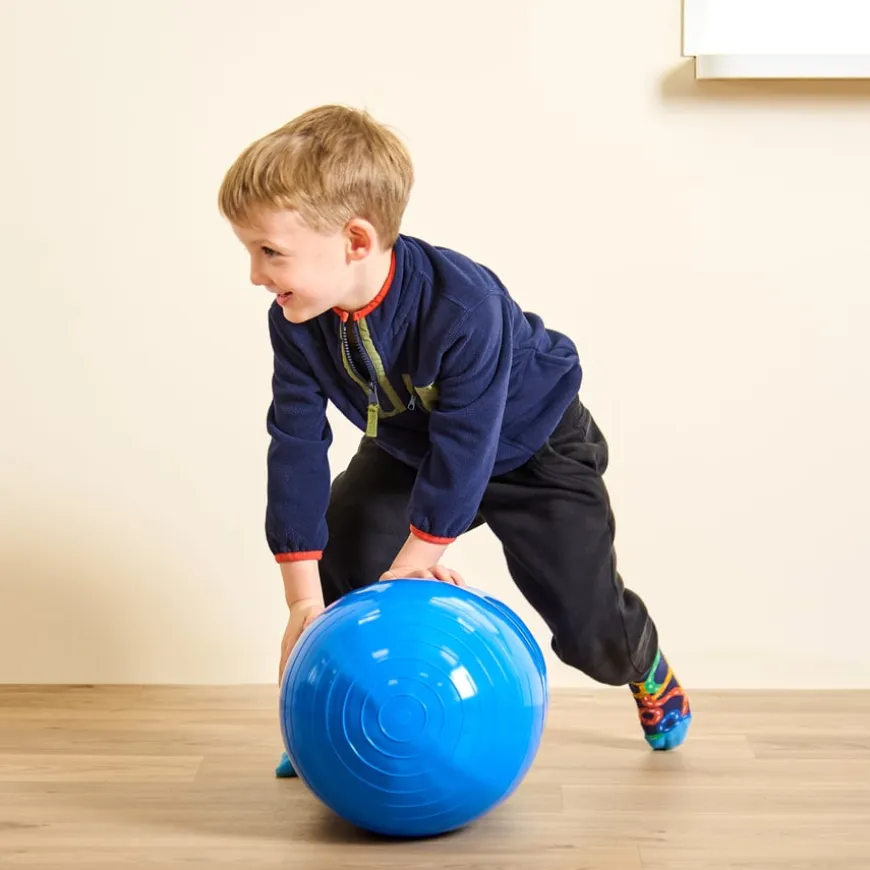
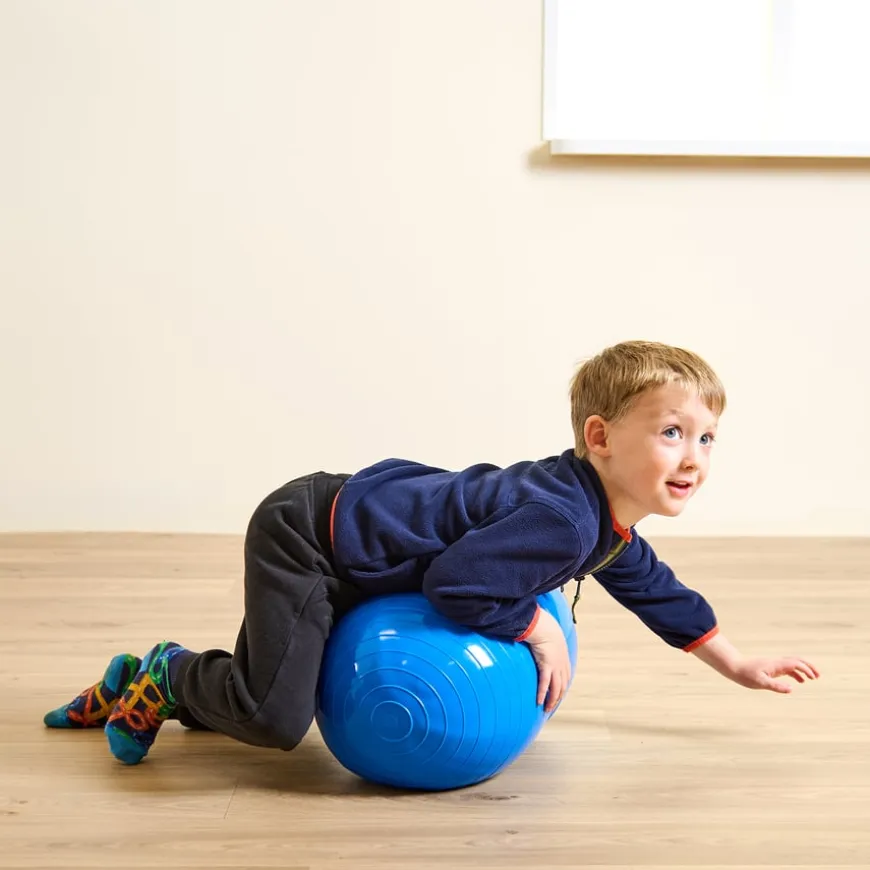
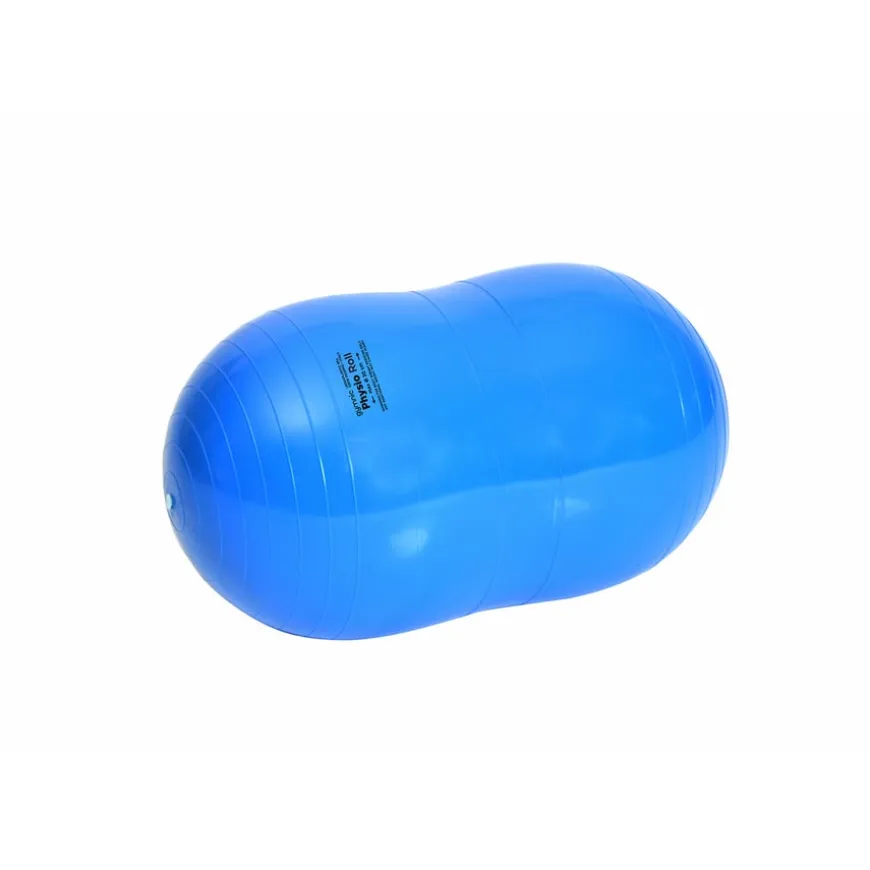
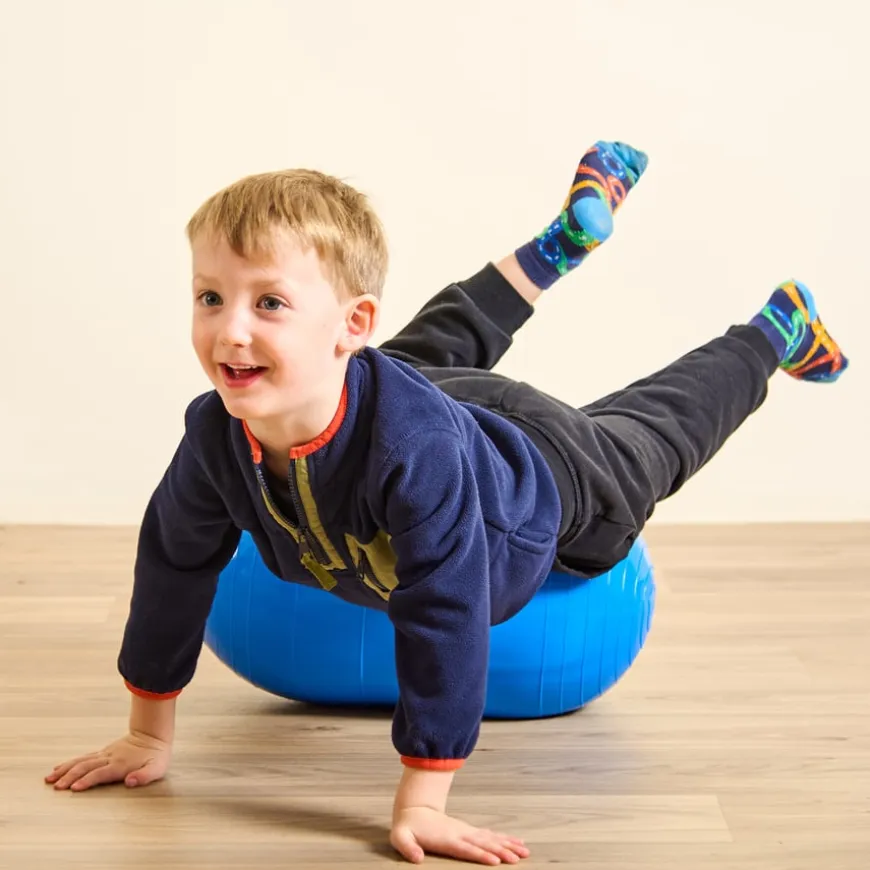
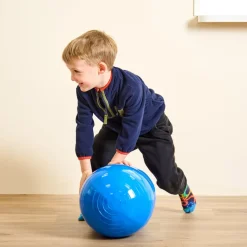
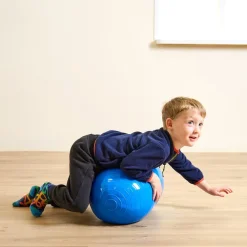

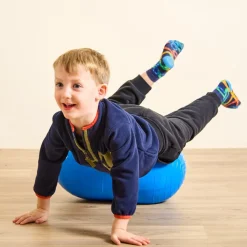
Peanut Therapy Ball
Original price was: £30.40.£22.72Current price is: £22.72.
Helping to Support Teaching and Learning
-
Supports Motor Skills
-
The physio peanut ball aids in the development of motor skills coordination, helping children to improve their balance, agility, and strength through hands-on activities.
-
Versatile Use
-
Peanut ball is versatile and supports a wide range of educational activities, from athletics to gymnastics, meeting varied learning objectives effectively.
-
Promotes Enjoyment
-
Encourages enjoyment of physical activity with the therapy ball, which can help enhance overall well-being and motivate regular participation.
-
Develops Strength
-
Supports building body strength, making the peanut fitness ball a useful tool for physical development in early years and primary education settings.
-
Enhances Flexibility
-
Enhances flexibility and control, aiding in mastering movements and applying them effectively in various physical activities.
Peanut Therapy Ball
Enhance coordination with the versatile therapy peanut roll for sensory development activities.
Overview
-
Peanut balls are ideal to be used in therapy to help children with balance, motor skills, muscle tone, and sensory seeking behaviours.
-
Peanut balls have a wide range of therapeutic benefits and can be a fun and engaging way to add play-based therapy into children’s daily routine. By adding them in to sensory circuits, they are a great way for children to release built up tension as well as use up some of their endless amounts of energy.
-
They can also help children with cerebral palsy develop movement control and gross motor coordination. A peanut ball can provide so many benefits to children’s physical therapy exercises. They can help develop and build gross motor skills, bilateral coordination, core muscle strength, postural stability and balance
-
Available in a variety of sizes. To ensure the correct ball size, measure the distance from the user’s armpit to the middle finger tip and match this measurement to the height of the ball.
Supports the National Curriculum
EYFS, Physical Development
Develop overall body strength, balance, coordination and agility.
Physical Education, Key Stage 1
Master basic movements including running, jumping, throwing and catching, as well as developing balance, agility and co-ordination, and begin to apply these in a range of activities.
Physical Education, Key Stage 2
Develop flexibility, strength, technique, control and balance (for example, through athletics and gymnastics).
| Length | 115 cm, 50 cm |
|---|
Be the first to review “Peanut Therapy Ball”
Related products
Exercise Books


Art & Craft

Festivals & Celebrations

Festivals & Celebrations
Babies & Toddlers
Construction
Book Storage
Dens & Play Equipment
Festivals & Celebrations
Book & Reading
Pe & Outdoor
Early Years

Festivals & Celebrations
Early Years
Boxes & Containers
Reviews
There are no reviews yet.